
Spring is often associated with renewal, growth, and fresh beginnings. After months of colder weather, homeowners finally have the opportunity to open their windows, let in fresh air, and take a closer look at the condition of their homes. Winter can be particularly tough on residential properties, leaving behind hidden damage, moisture problems, and structural concerns that may not be immediately noticeable. As temperatures rise and daylight hours increase, spring becomes the ideal time to evaluate your home and tackle necessary repairs or improvements.
This guide explores several key areas homeowners should consider when refreshing their homes this spring, including restoration services, system repairs, and structural improvements that help keep your property in excellent condition.
Taking Steps Immediately After a House Fire

Experiencing a house fire can be one of the most devastating events a homeowner faces. Even a small fire can cause extensive damage through smoke, soot, and water used during firefighting efforts. After the immediate danger has passed and the fire department declares the property safe to enter, the next priority is beginning the recovery process.
One of the first steps is contacting professionals who specialize in fire damage restoration. These experts have the training and equipment necessary to evaluate the extent of the damage and begin the cleanup process safely. Fire residue can contain toxic particles, and soot can spread throughout the home through ventilation systems. Attempting to clean it without proper protective equipment and techniques may worsen the damage or expose occupants to harmful contaminants.
The restoration process often begins with a detailed assessment. Technicians evaluate structural components such as walls, ceilings, flooring, and framing to determine whether they can be cleaned and repaired or must be replaced. They also assess smoke infiltration, which can penetrate porous materials and leave lingering odors.
Water extraction and drying are also essential parts of recovery, since the water used to extinguish the fire can saturate floors, insulation, and structural materials. Professional drying equipment prevents additional complications such as mold growth.
Although recovering from a fire can feel overwhelming, acting quickly helps prevent further deterioration and speeds up the path to rebuilding. With proper restoration and repairs, many homes can be successfully restored to a safe and comfortable condition.
Handling Hidden Moisture and Indoor Contamination
Moisture problems are common in many homes, especially after heavy rains, plumbing leaks, or flooding. While visible water damage can be alarming, the more dangerous issue often lies in hidden moisture that accumulates inside walls, beneath flooring, or within insulation. Over time, these damp environments can lead to mold growth that affects both the structure of the home and the health of its occupants.
When mold becomes a concern, it is best to contact experienced mold removal contractors who can properly identify and eliminate the contamination. Mold can spread rapidly through airborne spores, and improper cleanup methods may actually worsen the problem by dispersing spores throughout the home.
Professional mold removal typically begins with an inspection and testing process. Specialists use moisture meters, infrared cameras, and air sampling techniques to determine where mold is growing and how extensive the contamination may be. This helps them develop a targeted remediation plan.
Once the affected materials have been removed, surfaces are cleaned and treated using specialized antimicrobial solutions. High-powered air filtration equipment may also be used to remove airborne spores and improve indoor air quality.
Addressing the source of moisture is equally important. Whether the problem originated from a leaking roof, poor ventilation, or a plumbing issue, resolving the underlying cause helps prevent future mold growth.
Taking swift action when mold is suspected protects both the structure of your home and the health of your family.
Managing Debris and Waste During Major Home Cleanup
Large-scale home cleanup projects often generate far more debris than standard household trash services can handle. Whether you are repairing storm damage, removing old materials during a renovation, or clearing out fire-damaged belongings, having an efficient waste disposal solution is essential.
One practical option is arranging a local dumpster rental to manage debris during the project. Temporary dumpsters provide a centralized location for disposing of large quantities of waste, allowing homeowners and contractors to keep work areas organized and safe.
Using a dumpster also simplifies the cleanup process. Instead of making multiple trips to a landfill or recycling center, debris can be placed directly into the container throughout the project. Once the work is complete, the rental company collects the dumpster and handles disposal according to local regulations.
In addition to convenience, proper waste management improves job site safety. Construction debris, broken glass, damaged drywall, and discarded fixtures can create hazards if left scattered throughout the property. A designated disposal container keeps materials contained and reduces the risk of injuries.
Some dumpster services also offer guidance on separating recyclable materials from general waste. Recycling metal, wood, and certain construction materials can reduce landfill impact and support environmentally responsible disposal practices.
For homeowners tackling major cleanup projects, organizing debris removal early in the process can make the entire renovation far more efficient.
Rebuilding and Reinforcing Your Basement After Damage
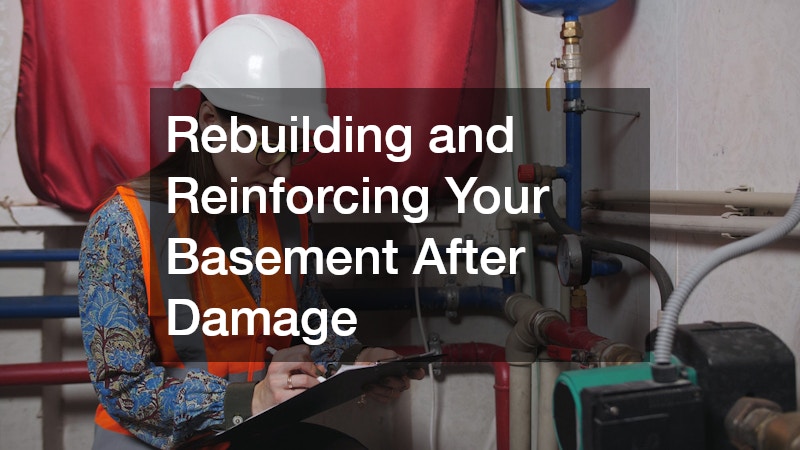
Basements play a vital role in many homes, providing storage space, housing essential mechanical systems, and sometimes serving as additional living areas. However, basements are also highly vulnerable to water intrusion, structural damage, and moisture-related problems.
When significant damage occurs, homeowners may consider a full basement remodel to restore functionality and improve long-term protection. This type of renovation allows homeowners to address existing issues while upgrading the space to meet modern needs.
The first step often involves repairing any structural damage caused by flooding, foundation cracks, or shifting soil. Reinforcing walls, repairing floor slabs, and installing improved drainage systems can help prevent future problems.
During a remodel, homeowners may also take the opportunity to improve insulation and ventilation. Proper airflow helps control humidity levels, which reduces the risk of mold growth and protects stored belongings.
Many homeowners choose to transform their basements into usable living spaces such as family rooms, home offices, gyms, or guest suites. Updating lighting, flooring, and wall finishes can dramatically improve comfort while increasing the home’s overall value.
Even if the basement remains primarily a storage area, modernizing the space with durable materials and improved drainage can make it far more resilient against future damage.
Restoring Comfort and Airflow After System Failures
Heating and cooling systems are essential for maintaining comfort inside the home throughout the year. After months of winter use, HVAC systems may experience wear that reduces efficiency or leads to unexpected breakdowns.
When heating or cooling problems occur, contacting experienced HVAC companies ensures that the system receives a proper inspection and repair. Professional technicians can evaluate the condition of the furnace, air conditioner, ductwork, and ventilation components to identify underlying issues.
Spring is an ideal time for HVAC maintenance because temperatures are generally mild. This allows homeowners to schedule repairs or system upgrades before the peak demands of summer heat arrive.
In some cases, older HVAC systems may require replacement rather than repair. Modern units are far more energy-efficient and can help reduce monthly utility costs while improving indoor comfort.
Technicians may also evaluate airflow within the home. Poor airflow can result from blocked ducts, improperly sized equipment, or poorly sealed duct connections. Correcting these issues ensures that conditioned air is distributed evenly throughout the house.
Maintaining a reliable HVAC system not only improves comfort but also contributes to better indoor air quality and energy efficiency.
Dealing With Pipe Bursts or Failing Fixtures
Plumbing problems can appear suddenly and cause significant damage if not addressed quickly. Burst pipes, leaking fixtures, and failing water heaters are among the most common issues homeowners encounter.
When plumbing emergencies arise, contacting a qualified plumbing company is the safest and most effective way to resolve the problem. Professional plumbers have the experience and tools necessary to locate leaks, repair damaged pipes, and restore normal water flow.
One of the most serious plumbing emergencies is a burst pipe. Freezing temperatures during winter can cause pipes to expand and crack, leading to major leaks once the ice thaws. Immediate repairs help prevent water from soaking floors, walls, and structural components.
Plumbers can also inspect aging fixtures and pipes to determine whether replacement is necessary. Upgrading outdated plumbing components improves efficiency and reduces the likelihood of future failures.
During spring maintenance, it may also be helpful to check outdoor faucets, irrigation lines, and drainage systems that may have been affected by freezing conditions.
Addressing plumbing issues promptly protects your home from water damage and ensures that essential systems continue to function properly.
Handling Dangerous Electrical Issues During a Home Emergency
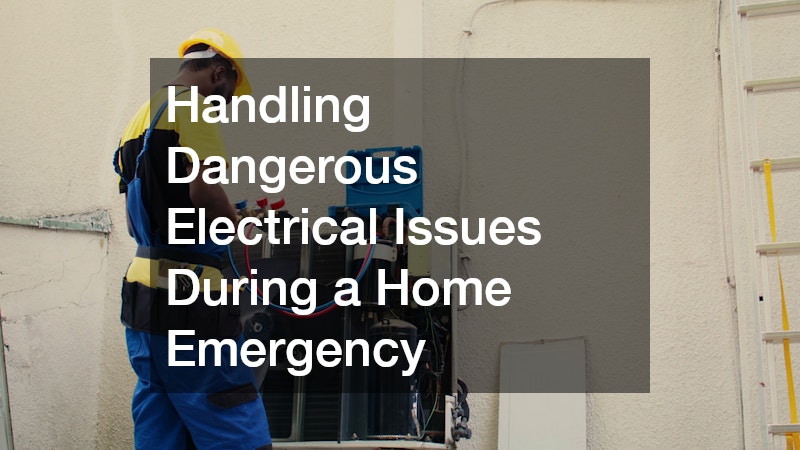
Electrical systems are critical to modern homes, but they also pose serious safety risks when problems occur. Faulty wiring, overloaded circuits, and damaged electrical components can lead to fires or dangerous electric shocks.
If electrical issues arise during a home emergency, it is essential to contact an emergency electrician who can respond quickly and safely. Electrical work should never be attempted by untrained individuals, as even minor mistakes can create severe hazards.
Emergency electricians are trained to diagnose and repair urgent electrical problems such as power outages, sparking outlets, damaged wiring, or malfunctioning circuit breakers. They can also inspect electrical panels to determine whether upgrades are needed to support modern power demands.
Electrical problems may also appear after flooding or fire incidents, when wiring and electrical components have been exposed to water or extreme heat. These conditions can weaken insulation and increase the risk of short circuits.
Having a qualified electrician evaluate and repair damaged systems helps restore safe power throughout the home while preventing future hazards.
Stopping Sudden Leaks Before They Cause Structural Damage
Water damage can escalate quickly when leaks go unnoticed or untreated. A small leak from a roof, pipe, or appliance may initially seem minor, but continuous exposure to moisture can weaken structural materials and create the conditions for mold growth.
In urgent situations, contacting professionals who specialize in emergency water repair can help stop leaks before they cause extensive damage. These services typically include water extraction, structural drying, and repairs to damaged plumbing or building components.
Specialized equipment, such as moisture meters and thermal imaging cameras, allows technicians to locate hidden water and ensure that all affected areas are properly dried. High-powered fans and dehumidifiers accelerate the drying process and help prevent long-term damage.
Once the source of the leak has been repaired, damaged materials may need to be replaced. This could include drywall, flooring, insulation, or cabinetry that has absorbed too much moisture to be salvaged.
Responding quickly to water leaks is one of the most effective ways to protect your home’s structural integrity and avoid costly reconstruction.
Troubleshooting Sudden Loss of Water From a Private Well
Homes that rely on private wells for water supply occasionally experience sudden interruptions in service. When water stops flowing unexpectedly, the issue may involve mechanical components within the well system.
A common solution is contacting a specialist who performs water well pump repair to diagnose and fix the problem. The pump plays a critical role in drawing water from the well and delivering it into the home’s plumbing system.
Several issues can lead to pump failure, including electrical problems, worn mechanical parts, clogged intake screens, or pressure tank malfunctions. Identifying the exact cause requires specialized knowledge and equipment.
Regular maintenance can help prevent sudden failures. Periodic inspections allow technicians to detect early signs of wear before they result in a complete system shutdown.
Maintaining a reliable well system ensures that your household continues to receive a steady supply of clean water for daily use.
Protecting Your Home After Severe Storm or Structural Roof Damage
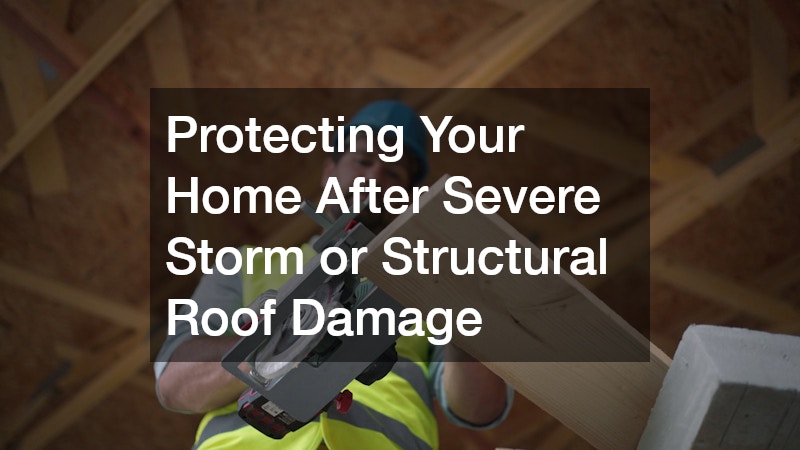
The roof is one of the most important protective components of any home. It shields the structure from rain, snow, wind, and extreme temperatures. However, severe storms and aging materials can cause significant roof damage over time.
When roofing problems occur, professional roofers can assess the condition of the structure and recommend appropriate repairs or replacements. Early intervention helps prevent small issues from turning into major leaks or structural damage.
Storm damage often includes missing shingles, cracked flashing, or punctures caused by falling branches or debris. Even minor damage can allow water to seep into the attic and insulation, where it may remain hidden for long periods.
In some cases, homeowners may choose to replace older roofing materials with newer options designed for improved durability and energy efficiency. Modern roofing systems can better withstand extreme weather conditions while improving insulation performance.
Keeping your roof in good condition protects every other part of the home beneath it, making regular inspections and timely repairs a crucial part of spring maintenance.
Refreshing your home from top to bottom each spring is an excellent way to protect your property, improve safety, and maintain a comfortable living environment. Seasonal maintenance allows homeowners to identify hidden problems that may have developed during the winter months and address them before they escalate into larger, more expensive repairs.
With the right preparation and the support of experienced professionals when needed, refreshing your home this spring can set the stage for a comfortable, well-maintained property throughout the year.