
Owning an older property offers character and architectural charm, but also drafty rooms and high utility bills. Built when energy was cheap and building codes were relaxed, these homes often leak air, forcing systems to work harder. Modernizing for energy efficiency is a smart investment. This transforms a property from reactive maintenance to optimized performance, reducing costs, carbon footprint, and increasing market value. The key is treating the property as an interconnected system where structure, climate controls, and utilities function harmoniously.
Stop Energy Bleeds via the Attic and Walls
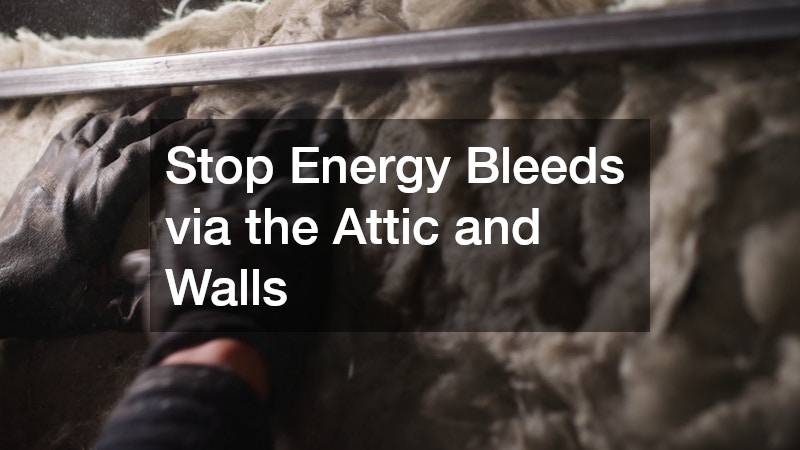
In older properties, heat loss during the winter and heat gain during the summer happen primarily through the upper levels of the structure. Warm air naturally rises, creating a chimney effect that pulls cold air through lower gaps while forcing conditioned air out through the attic. To diagnose where your worst losses are occurring, you can conduct a basic DIY inspection on a windy day using an incense stick or a flashlight to look for moving air around baseboards, wall joints, and attic hatches. For a truly definitive assessment, hiring a professional to perform a comprehensive energy audit with a blower-door test will pinpoint the exact square footage where air escapes.
To rectify these losses, upgrading your property’s insulation is the most high-return project available.
- Attic Floor Joists: Older homes often have less than three inches of degraded fiberglass batts. To meet modern energy standards, you should aim for an R-value of R-49 to R-60, which typically requires roughly 16 to 19 inches of blown-in cellulose or fiberglass.
- Exterior Wall Cavities: If your walls lack proper barriers, a dense-pack cellulose application can be injected directly into the wall cavities through small exterior holes, preserving your interior plaster or drywall while establishing an excellent thermal boundary.
- Basement Rim Joists: These are major culprits for cold drafts. Spraying closed-cell foam along the rim joists creates an airtight seal right at the foundation line.
Thermal Performance from the Ground Up
While heat escapes from the top of the house, discomfort often radiates from the bottom. Crawlspaces and uninsulated basements introduce persistent moisture and freezing drafts into the main living areas, forcing you to turn up the thermostat just to keep your feet comfortable. Sealing crawlspaces with a thick vapor barrier and insulating the underside of your subflooring is an exceptional way to stabilize the ambient climate of your first floor.
When your energy modernization plans include interior remodeling, coordinating these structural fixes with an experienced flooring service ensures you maximize your results.
- Underlayment Selection: Modern flooring retrofits allow you to install specialized acoustic and thermal underlayments beneath your new wood, laminate, or tile. These underlayments act as a critical thermal break over cold concrete slabs or drafty wooden subfloors.
- Material Thermal Mass: Natural stone and dense ceramic tiles offer high thermal mass, meaning they absorb and slowly release ambient heat, keeping the home stable.
- Radiant Heating Compatibility: If you are tearing up old floors, it is the ideal window to lay down hydronic or electric radiant floor heating loops, which distribute heat much more evenly and efficiently than traditional baseboards.
Transition to High-Efficiency Heating and Cooling
Older homes frequently rely on massively oversized mechanical systems. Decades ago, technicians simply guessed at the capacity required for a house, resulting in short-cycling—a phenomenon where a system turns on, rapidly heats or cools a localized area, and shuts off before balancing the rest of the building. This constant cycling puts immense wear on components and burns excessive energy during the startup phases.
When modernizing, your first call should be to licensed HVAC contractors who will perform a manual J load calculation. This calculation takes into account your newly upgraded insulation, your exact square footage, local climate data, and window orientations to determine the precise British Thermal Units required to condition your space.
- Variable-Speed Heat Pumps: Rather than running at 100 percent capacity or zero percent, modern variable-speed air-source heat pumps scale their output precisely to match the real-time heating or cooling demand, saving remarkable amounts of electricity.
- Ductless Mini-Splits: For properties without existing ductwork, ductless systems allow you to create independent climate zones in different rooms, meaning you only pay to heat or cool the spaces you are actively using.
- Smart Automation: Integrating these new mechanical systems with smart thermostats allows the property to automatically enter eco-modes when you leave for work or go to sleep.
Boosting Air Flow and Summer Comfort

Summer heatwaves can place a brutal strain on an outdated electrical grid and older cooling machinery. If your home relies on loud, inefficient window units that block your natural light and create security risks, transitioning to a centralized cooling asset is a massive upgrade for both energy bills and daily lifestyle.
Investing in a modern air conditioning installation introduces sophisticated multi-stage compressors that are vastly superior to legacy models.
- High SEER2 Ratings: Modern central cooling units boast Seasonal Energy Efficiency Ratio ratings that easily double the efficiency of units manufactured just fifteen years ago.
- Advanced Dehumidification: Newer cooling systems excel at removing moisture from the indoor air. Because dry air feels naturally cooler than humid air, you can comfortably set your thermostat a few degrees higher without sacrificing comfort.
- Eco-Friendly Refrigerants: New installations utilize modern, non-ozone-depleting refrigerants that align with modern environmental safety protocols while providing superior thermal transfer capabilities.
Diagnosing and Resolving Airflow and Combustion Issues
If your current heating unit is staying on for long stretches of time, making rattling sounds, or failing to warm the furthest bedrooms, it is operating at a fraction of its original efficiency rating. Accumulated soot, uncalibrated burners, and leaky duct connections can drop a system’s operating efficiency by up to thirty percent, meaning you are paying full price for fuel but losing a third of that heat before it ever reaches your living spaces.
Securing a comprehensive furnace repair service is the quickest way to restore your baseline operational efficiency and protect your home’s air quality.
- Heat Exchanger Inspection: Over time, old heat exchangers can develop microscopic cracks that leak dangerous carbon monoxide into your home while severely lowering heat transfer capability.
- Burner Realignment: A technician can clean and adjust the gas or oil burners to ensure a crisp, clean blue flame, indicating complete combustion and maximum fuel efficiency.
- Duct Sealing and Balancing: Sealing the accessible joints in your basement or attic ductwork with mastic paste prevents hot air from spilling into unconditioned spaces, ensuring every bit of heat reaches its intended destination.
Managing Traditional Fuel Infrastructure Safely
Many historical and outdated properties throughout the northeastern regions still rely on liquid petroleum or oil for their winter heating needs. While these systems can provide incredibly cozy heat, the infrastructure supporting them is often decades old, hidden away in dark corners of the basement or buried beneath the backyard lawn.
If your property relies on this fuel source, coordinating a fresh heating oil tank installation is a vital preventative upgrade that protects your financial investment and the surrounding environment.
- Mitigating Spill Risks: Legacy single-wall steel tanks are highly susceptible to internal corrosion caused by condensation buildup. Upgrading to a modern double-walled tank made of polyurethane and galvanized steel completely eliminates the catastrophe of a costly environmental fuel leak.
- Smart Level Monitoring: Modern storage tanks come equipped with digital, ultrasonic fill-level monitors. This allows you to track your exact fuel consumption patterns throughout the winter, helping you budget and identify sudden spikes in fuel usage.
- Optimized Fuel Delivery: Newer tanks ensure that the fuel feeding into your burner is clean and free of sludge, which keeps your furnace lines clear and prevents the heating system from clogging up or sputtering during cold snaps.
Maximizing Roof Reflectivity and Weather Barriers

Your roof absorbs direct solar radiation for hours every single day. In the summer, an outdated roof with degraded asphalt shingles can easily reach temperatures exceeding 150 degrees Fahrenheit. This intense heat transfers straight down through your attic floor and radiates into your living spaces, causing your cooling systems to run constantly just to keep up.
Partnering with professional residential roofers allows you to transform your roof from a heat sponge into a protective shield.
- Cool-Roof Shingles: Modern asphalt shingles are engineered with advanced reflective granules that bounce a significant portion of solar energy back into the atmosphere, dropping attic temperatures by up to fifty degrees.
- Advanced Ventilation: Ensuring your roof features a balance of soffit vents at the eaves and a continuous ridge vent at the peak creates a natural convective current, pulling cool air in and sweeping hot, humid air out before it can seep into your ceilings.
- Ice Dam Prevention: A properly insulated and ventilated roof maintains a uniform temperature across its surface, preventing the dangerous freeze-thaw cycles in winter that cause ice dams, water damage, and structural heat loss.
Eliminating Drastic Drafts in the Garage Area
If your outdated property features an attached garage, it is highly likely that this space is a significant source of energy loss. Most older garages are completely uninsulated, and the wall separating the garage from your kitchen or living room is often poorly sealed. Furthermore, old garage doors are usually constructed from thin, uninsulated wood or single-sheet metal, allowing freezing winter winds or stifling summer humidity to sit right against your home’s interior walls.
Consulting with a professional garage door designer is an excellent way to address this massive structural weak point.
- Polyurethane Insulation Cores: Modern garage doors can be built with thick sections of injected polyurethane foam sandwiching durable steel plates, providing an incredible R-value that transforms your garage into a stable thermal buffer zone.
- Interlocking Weatherseals: High-quality modern designs feature heavy-duty perimeter weatherstripping and flexible bottom seals that close tightly against the concrete floor, completely shutting out whistling winds, leaves, and damp air.
- Aesthetic Integration: A specialized designer can replicate the historic carriage-house look of your older property using modern, low-maintenance composite materials that deliver incredible thermal performance without ruining the classic look of your home.
Preparing the Grid for Modern, High-Efficiency Loads
Many properties built before the 1970s operate on outdated 60-amp or 100-amp electrical panels, frequently utilizing old screw-in fuses or outdated circuit breakers that are prone to failure. If you try to add modern high-efficiency heat pumps, induction cooktops, or electric vehicle charging stations to an antiquated panel, you will deal with constant tripped breakers, dimming lights, and serious fire hazards.
Hiring a team to perform comprehensive electrical services is a foundational prerequisite for any successful home modernization project.
- Panel Upgrades: Upgrading your primary electrical panel to a modern 200-amp smart panel provides the robust capacity needed to run all your new high-efficiency appliances simultaneously and safely.
- Smart Energy Monitors: Technicians can install real-time monitoring clips onto your main power lines, allowing you to see exactly which appliances are drawing the most current via an app on your smartphone so you can adjust your habits.
- Eliminating Phantom Loads: Upgrading old outlets to smart, switchable receptacles allows you to completely cut power to entertainment centers and home offices when they aren’t in use, ending the silent energy drain of standby power.
Transitioning to On-Demand Water Heating

Traditional water heaters maintain a massive tank of water at roughly 120 degrees Fahrenheit twenty-four hours a day, seven days a week. This means that even when you are away on vacation or asleep at night, the heater is constantly firing up to combat standby heat loss as heat escapes through the sides of the tank.
Scheduling a professional water heater installation to replace your old tank with a modern alternative is an exceptional way to cut your energy profile.
- Tankless On-Demand Heating: Tankless units only activate the moment you turn on a hot water faucet. Water passes through a high-powered heating element, delivering an endless supply of hot water instantly without wasting a single drop of energy on standby heating.
- Hybrid Heat Pump Water Heaters: If you stick with a tank style, modern hybrid heat pump water heaters pull ambient heat right out of the surrounding basement air and dump it directly into your water tank, using up to seventy percent less electricity than standard electric resistance tanks.
- Space Savings: Tankless units are compact and mount directly to the wall, freeing up valuable square footage in older, cramped utility closets or basements.
Modernizing an outdated property to maximize its energy efficiency requires patience, careful planning, and a strategic financial roadmap. It is rarely practical or necessary to tackle all of these comprehensive upgrades at once. Instead, the most successful property modernizations happen in deliberate phases—beginning with sealing the structural envelope through roof improvements and deep insulation, moving through mechanical tune-ups or full system replacements, and concluding with refined electrical updates and water-heating innovations. By treating each upgrade as an investment in the longevity and comfort of your property, you transform an aging, drafty structure into a highly efficient, sustainable, and comfortable sanctuary that is beautifully prepared to stand strong for decades to come.